Үйлдвэрлэлийн автоматжуулалтын систем хэдэн зуун, заримдаа хэдэн мянган дохио, параметрийг нэгэн зэрэг хянадаг. Гэвч техник хэдий боловсронгуй болсон ч эцсийн шийдвэрийг гаргадаг нь хүн — оператор хэвээр байна. Тиймээс сүүлийн арван жилд SCADA/HMI дизайны гол асуулт «хичнээн их мэдээллийг харуулах вэ?» биш, харин «операторт зөв шийдвэр гаргахад хэрэгтэй мэдээллийг хэрхэн зөв цагт нь, ойлгомжтой хэлбэрээр хүргэх вэ?» болсон. Энэ философийг нөхцөл байдлын мэдрэмж (Situational Awareness) гэдэг. Энгийн шалгуур нь: оператор дэлгэц рүү хараад 3 секундод юу болоод байгааг хэлж чадаж байна уу?
Нөхцөл байдлын мэдрэмж гэж юу вэ?
Энэ ойлголтыг анх судлаач Мика Эндсли (Mica Endsley) нисэхийн салбарт томьёолсон бөгөөд гурван түвшинд хуваан тайлбарладаг:
- Мэдрэх (Perception) — одоо юу болж байгааг анзаарах: аль параметр хэвийн хэмжээнээс хальсан, ямар төхөөрөмж ажиллаж байгаа.
- Ойлгох (Comprehension) — анзаарсан зүйлийн утга учрыг тайлах: энэ өөрчлөлт юу гэсэн үг вэ, процессод хэрхэн нөлөөлөх вэ.
- Урьдчилан харах (Projection) — дараа нь юу болохыг төсөөлөх: одоогийн чиг хандлага үргэлжилбэл хэдэн минутын дараа систем ямар төлөвт хүрэх вэ.
Сайн зохиосон HMI нь операторыг зөвхөн эхний түвшинд тулгуурлахаас дээшлүүлж, ойлгох болон урьдчилан харах түвшинд хүргэдэг. Энэ нь ослоос сэргийлэх эсэхийн хамгийн чухал ялгаа болдог.
Уламжлалт SCADA дэлгэцийн асуудал
Уламжлалт дэлгэцүүд ихэвчлэн P&ID диаграммыг шууд хуулбарласан байдаг: хоолой бүр, хавхлага бүр, насос бүр гялбам тод өнгөөр, 3D эффекттэй, заримдаа хөдөлгөөнт дүрсээр. Анх харахад үзэсгэлэнтэй ч энэ хандлага ноцтой сул талуудтай:
- Бүх зүйл адил тод тул аль нь чухал, аль нь хэвийн байгаа нь ялгарахгүй.
- Хэвийн ажиллагаа болон аюулын төлөв нүдэнд бараг ижил харагдана.
- Анхаарал татах «өнгөний нөөц» үлдээгүй — улааныг хаа сайгүй ашигласан тул жинхэнэ аюул гарахад нэмж онцлох өнгө байхгүй.
- Дохионы үер (alarm flood) — гэмтэл гарахад хэдэн арван дохио нэгэн зэрэг асч, оператор аль нь үндсэн шалтгаан болохыг ялгаж чаддаггүй.
Үр дүнд нь оператор мэдээлэлд «живж», хэвийн бус нөхцөлийг хожуу анзаардаг. Дэлгэц дүүрэн мэдээлэл байгаа нь сайн мэдээлэлтэй байна гэсэн үг биш юм.
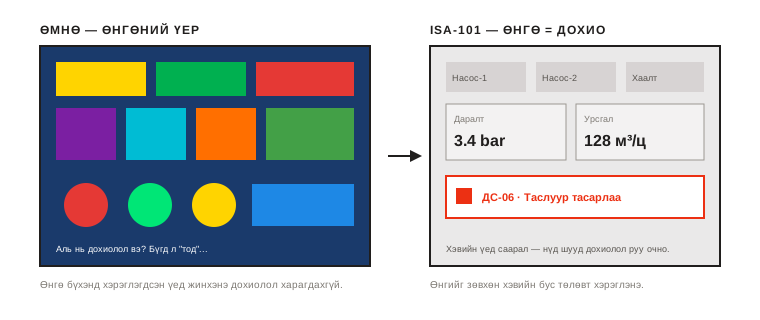
Сайн дизайн нь хэдэн өнгө ашигласнаар бус, оператор аюулыг хэр хурдан анзаарч, зөв шийдвэр гаргаж чадсанаар хэмжигддэг.
Яагаад энэ хандлага руу шилжсэн бэ?
Энэ философи нь гоо зүйн сонголт биш — бодит ослуудаас сурсан хичээл дээр үндэслэдэг. Three Mile Island-ийн цөмийн осол, Texas City-ийн дэлбэрэлт зэрэг томоохон ослын дүн шинжилгээ нь оператор зөв мэдээллийг зөв цагт нь хүлээж аваагүйгээс шийдвэр гаргахад хүндрэлтэй болсныг тодорхой харуулсан. Эдгээр сургамжаас дараах олон улсын судалгаа, стандартууд боловсорч гарсан:
- ASM Consortium (Abnormal Situation Management) — хэвийн бус нөхцөл байдлыг удирдах судалгааны олон улсын нэгдэл
- ISA-101 — процессын автоматжуулалтын Хүн-Машины Интерфэйсийн (HMI) стандарт
- EEMUA 191 / 201 — дохиолол болон HMI дизайны олон улсын зөвлөмж
- The High Performance HMI Handbook — салбарын суурь практик гарын авлага
Судалгаагаар High Performance HMI ашигласан оператор хэвийн бус нөхцөлийг хэд дахин хурдан илрүүлж, асуудлыг шийдвэрлэх хугацаа мэдэгдэхүйц богиносдог нь батлагдсан.
Тоо биш — харьцаа: аналог индикатор
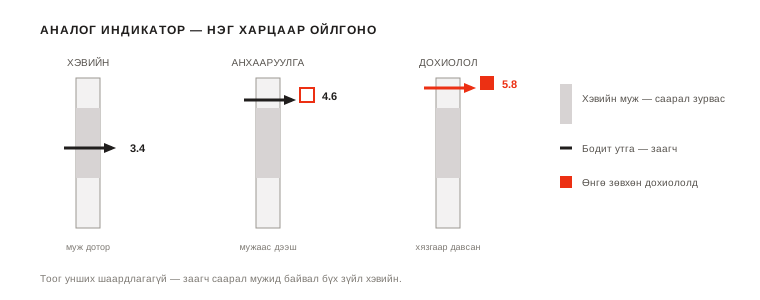
High Performance дизайны бас нэг түлхүүр арга бол мэдээллийг тархиар биш, нүдээр боловсруулуулах. «3.42 bar» гэсэн тоог уншаад хэвийн эсэхийг санаж тооцох хэрэгтэй болдог. Харин аналог индикатор дээр заагч саарал мужид байвал — уншилтгүйгээр «хэвийн» гэдгийг мэднэ:
Дэлгэцийн шаталсан бүтэц
Орчин үеийн HMI дэлгэцүүдийг чухал байдлынх нь дагуу шатлан зохион байгуулдаг — оператор ерөнхий зургаас нарийвчилсан мэдээлэл рүү логик дарааллаар «гүн рүү» шилжинэ:
- Түвшин 1 — Үйлдвэрийн ерөнхий зураг: KPI, нэгдсэн төлөв, гол үзүүлэлтүүд — «бүх зүйл хэвийн үү?»
- Түвшин 2 — Хэсгийн удирдлага: тодорхой процессын нэгжийн дэлгэрэнгүй ажиллагаа
- Түвшин 3 — Тоног төхөөрөмжийн дэлгэрэнгүй: тодорхой төхөөрөмж, удирдлагын гогцоо (loop)
- Түвшин 4 — Оношилгоо, засвар: гэмтэл оношлох, түүхэн өгөгдөл, гүнзгий шинжилгээ
Технологийн хувьд ч HMI урт замыг туулсан: физик удирдлагын самбар → анхны компьютер график → P&ID-г бүрэн хуулбарласан дэлгэц → нөхцөл байдлын мэдрэмжид суурилсан High Performance дизайн.
Ашигласнаар бий болох давуу талууд
- Хэвийн бус нөхцөлийг хурдан илрүүлнэ — өнгө, хэлбэрийг зөвхөн чухал зүйлд зориулдаг тул анхаарал шууд хандана
- Операторын ачаалал буурна — тархи бага мэдээлэл боловсруулдаг тул ядаргаа, алдаа цөөрнө
- Урьдчилан сэргийлэх боломж — дэлгэцэд суулгасан чиг хандлагын график (trend) «юу болох гэж байгааг» харуулна
- Шийдвэр гаргалт хурдасна — мэдээлэл ойлгомжтой тул хариу үйлдэл хурдан, итгэлтэй болно
- Алдаа, осол буурна — улмаар нийт үйлдвэрлэлийн найдвартай, аюулгүй байдал сайжирна
Түгээмэл төөрөгдлүүд
- «Саарал дэлгэц = хямд, чанаргүй» — буруу ойлголт. Саарал суурь нь анхаарлыг чухал зүйл рүү төвлөрүүлэх ухамсартай шийдвэр юм.
- «Олон өнгө, 3D эффект = дэвшилтэт» — шинжлэх ухаан эсрэгийг нь харуулдаг: илүүдэл өнгө анхаарлыг сарниулж, чухал дохиог нуудаг.
- «Энэ бол зүгээр гоо зүйн асуудал» — үнэндээ энэ нь танин мэдэхүйн шинжлэх ухаанд суурилсан инженерийн шийдвэр.
Анх операторууд «хэт уйтгартай» гэж дургүйцэх нь элбэг. Гэвч бодит ажиллагаанд хэрэглэж эхэлсний дараа ихэнх нь нүд ядрах нь багассан, асуудлыг эрт анзаардаг болсноо хүлээн зөвшөөрдөг. Сургалт, дасан зохицох хугацаа нь амжилттай нэвтрүүлэхийн түлхүүр.
Дүгнэлт
Нөхцөл байдлын мэдрэмж нь «сайхан харагдах» тухай биш — операторт зөв цагт зөв шийдвэр гаргахад туслах тухай юм. Манай баг Тавантолгойн логистикийн төв, Энержи Ресурс ХХК-ийн Нүүрс баяжуулах үйлдвэр, Эрдэнэ-Монгол ХХК-ийн Алт боловсруулах үйлдвэр зэрэг төсөл бүртээ энэ зарчмыг баримталж, зүгээр л үзүүлэлт харуулдаг систем биш, операторын шийдвэр гаргалтыг бодитоор дэмждэг ухаалаг интерфэйс бүтээхийг зорьдог. Технологи хичнээн хөгжсөн ч — системийн жинхэнэ «интерфэйс» нь хүн өөрөө хэвээр байгаа билээ.
Одоо байгаа SCADA дэлгэцээ үнэгүй үнэлүүлье гэвэл: 7775-4478 эсвэл энэ сайтын AI туслахтай ярилцаарай.
Холбоотой нийтлэл: ISA-101 — үйлдвэрийн HMI дизайны олон улсын стандарт — энэ философийг стандартын түвшинд хэрхэн тодорхойлсныг уншаарай.
Танай төсөлд тохирох шийдлийг ярилцъя
Инженер маань үнэгүй урьдчилсан үнэлгээ, төсөв гаргаж өгнө.