Тасралтгүй ажиллагаатай үйлдвэрт удирдлагын системийн хэдхэн минутын зогсолт ч асар их хохирол дагуулдаг. Гэтэл ямар ч төхөөрөмж хэзээ нэгэн цагт эвдэрдэг — асуулт нь «эвдрэх үү?» биш, «эвдрэхэд юу болох вэ?» юм. Редундант (нөөцлөлт) гэдэг нь системийн аль нэг хэсэг эвдэрсэн ч үйл ажиллагаа тасалдахгүй байхаар давхар бүрдүүлж зохион байгуулахыг хэлнэ. Гол зарчим нь: ганц цэгийн эвдрэл (Single Point of Failure, SPOF) үлдээхгүй байх.
Яагаад нөөцлөлт хэрэгтэй болдог вэ?
- Үйлдвэрлэлийн алдагдал. Тасралтгүй процесст (баяжуулах үйлдвэр, дулааны станц, ус хангамж) удирдлагын систем зогсоход бүх шугам зогсоно. Алт боловсруулах үйлдвэрийн нэг цагийн зогсолт олборлолтын шууд алдагдал болдог.
- Аюулгүй байдал. Зарим процессыг «зүгээр зогсоож» болдоггүй: цианидын уусгалт, өндөр даралтын зуух, химийн урвал — удирдлага алдагдвал тоног төхөөрөмж, хүний аюулгүй байдалд шууд эрсдэл үүснэ.
- Тоног төхөөрөмжийн гэмтэл. Гэнэтийн зогсолт нь өөрөө эвдрэл дагуулдаг: тээрэм ачаатай зогсох, шугам хөлдөх, насос гидравлик цохилтод өртөх гэх мэт.
- Дахин эхлүүлэх өртөг. Том процессыг зогссон үед эхлүүлэх нь хэдэн цагаас хэдэн өдөр үргэлжилж, асаах процесс бүр нэмэлт эрсдэл дагуулна.
Эрсдэлийг хэрхэн тооцож төлөвлөдөг вэ?
Редундант бол «байвал сайхан» биш — тооцоонд суурилсан инженерийн шийдвэр юм. Төлөвлөлтийн явц:
- Зогсолтын үнийг тооцох. Нэг цагийн зогсолт хэдэн төгрөгийн алдагдал хүлээх вэ? (үйлдвэрлэлийн алдагдал + дахин асаах зардал + гэрээний торгууль + тоног төхөөрөмжийн эрсдэл)
- SPOF шинжилгээ. Системийн бүдүүвчийг мөрдөж «энэ тоноглол гэмтэхэд юу зогсох вэ?» гэж цэг бүрээр тодорхойлно: тэжээл, CPU, сүлжээний свич, кабель, сервер, хатуу диск...
- Магадлал × үр дагавар. Элемент бүрийн эвдрэх магадлал (MTBF — эвдрэл хоорондын дундаж хугацаа) ба сэргээх хугацааг (MTTR) үнэлж, эрсдэлийн зэрэглэл тогтооно.
- Хүртээмжийн зорилт (availability). Жилийн зөвшөөрөгдөх зогсолтоор илэрхийлнэ: 99% = жилд ~87 цаг; 99.9% = ~8.8 цаг; 99.99% = ~53 минут; 99.999% = ~5 минут. Зорилт өндөрсөх тусам шаардлагатай нөөцлөлтийн түвшин өснө.
- Өртөг харьцуулах. Нөөцлөлтийн нэмэлт хөрөнгө оруулалтыг зогсолтоос үүсэх зардалтай харьцуулна — ихэвчлэн Hot Standby CPU-гийн үнэ нэг ээлжийн зогсолтын алдагдлаас бага байдаг.
Нөөцлөлтийн шатлалууд
Редундантыг «бүгдийг давхарлах» гэж ойлгож болохгүй — шатлал бүрээр авч үздэг. Доод түвшнээс дээш:
- Тэжээл — давхар тэжээлийн эх үүсвэр, UPS, давхар тэжээлийн блок
- I/O ба талбайн сүлжээ — давхар цагираг Ethernet, тархмал I/O; нэг кабель тасарсан ч сүлжээ хэвийн үлдэнэ
- Контроллёр (CPU) — Hot Standby хос процессор
- Дээд түвшний сүлжээ — давхар свич, давхар зам (dual LAN)
- SCADA сервер — Primary/Standby хос сервер, өгөгдлийн синхрончлол
- Клиент — олон оператор станц, серверийн авто-шилжилт
- Өгөгдөл — historian-ы давхар хадгалалт, нөөц хуулбар
Чухал зарчим: хамгийн сул холбоос системийн түвшинг тодорхойлно. CPU-г давхарлаад ганц свичээр холбовол свич нь SPOF болно.
Ямар тохиолдолд ямар шийдэл вэ?
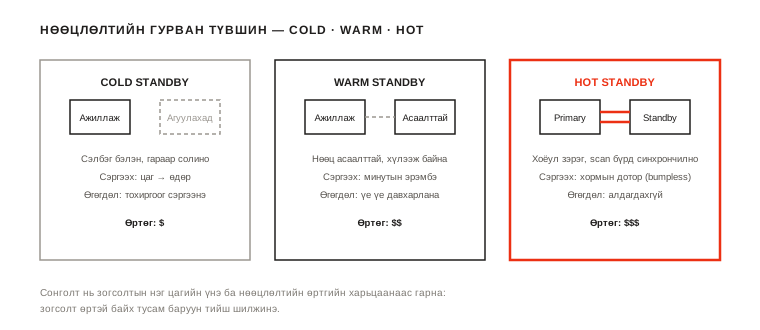
- Cold standby — сэлбэг агуулахад бэлэн, гараар солино. Сэргээлт: цагаас өдөр хүртэл. Зогсолт нь хүлээж болохуйц туслах системд (агааржуулалт, туслах насос) тохиромжтой.
- Warm standby — нөөц төхөөрөмж асаалттай хүлээж, гараар эсвэл хагас автоматаар шилжинэ. Сэргээлт: минутын эрэмбэ. Богино тасалдал зөвшөөрөгдөх чухал системд.
- Hot standby — хоёр төхөөрөмж зэрэг ажиллаж, төлөв нь тасралтгүй синхрончилж, гэмтэл гарахад автоматаар, саадгүй (bumpless) шилжинэ. Тасралтгүй, аюултай процесст заавал.
- Voting (2oo3) — гурван суваг зэрэг хэмжиж олонхоор шийднэ; хамгаалалтын (SIS/SIL) системд хэрэглэгддэг тусдаа сэдэв.
Modicon M580 Hot Standby (HSBY)
Schneider Electric-ийн M580 ePAC нь Hot Standby-г процессорын түвшинд, зориулалтын шийдэл:
- Primary + Standby CPU хос — тусгай HSBY холбоосоор scan бүрд бүрэн синхрончилно: программын төлөв, санах ой, таймер, тоолуур бүгд
- Автомат, саадгүй шилжилт — Primary эвдрэхэд Standby хормын дотор удирдлагыг авна; гаралтууд «цохилтгүй» (bumpless) — процесс мэдрэхгүй
- X80 Ethernet RIO тархмал I/O — CRA адаптертай drop-ууд давхар цагираг сүлжээнд: нэг кабель тасарсан ч бүх I/O холбоотой үлдэнэ
- Hot-swap — I/O модулиудыг ажиллагааны явцад шууд солино
- CCOTF (Change Configuration On The Fly) — тохиргоог зогсолтгүйгээр өөрчлөх: шинэ drop, модуль нэмэхэд процесс үргэлжилнэ
- Вэб оношилгоо — CPU болон drop бүрийн төлөвийг вэб хөтчөөс шууд харна
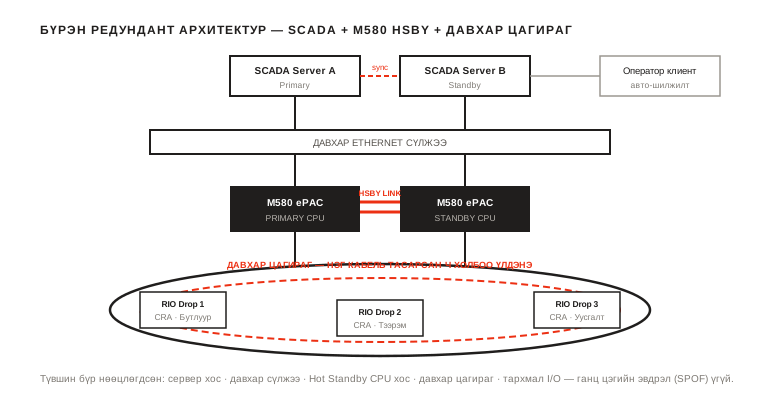
Бид энэ архитектурыг Эрдэнэ-Монголын Баянхөндийн алт боловсруулах үйлдвэрт бодитоор хэрэгжүүлсэн: Hot Standby M580 хос, үйлдвэрийн хэсэг бүрд X80 RIO drop, давхар цагираг Ethernet — ганц цэгийн эвдрэлгүй систем.
AVEVA Plant SCADA-гийн redundancy боломжууд
Plant SCADA (Citect) нөөцлөлтийг программ хангамжийн функцын бүх түвшинд хэрэгжүүлдэг:
- Серверийн хос (Primary/Standby) — I/O, Alarm, Trend, Report сервер бүрийг хослуулан ажиллуулна; Primary унавал Standby автоматаар үүргийг авна
- Клиентийн авто-шилжилт — оператор станцууд ажиллаж буй сервер рүү өөрөө шилжинэ; оператор юу ч дарахгүй, дэлгэц «үсрэхгүй»
- Өгөгдлийн синхрончлол — дохиоллын төлөв, баталгаажуулалт, түүхэн тренд хоёр серверт ижил хадгалагдана — шилжилтэд өгөгдөл алдагдахгүй
- Давхар сүлжээний зам — сервер, клиент, PLC хоорондын холбоо олон замтай; нэг сүлжээ унахад нөгөөгөөр үргэлжилнэ
- Тархмал архитектур, clustering — олон объектын системд кластер бүр өөрийн нөөцлөлттэй байж, нэгдсэн хяналтад нэгдэнэ
- Онлайн өөрчлөлт — тохиргооны шинэчлэлтийг ажиллагааг тасалдуулахгүй суулгана
PLC түвшний HSBY ба SCADA түвшний server redundancy хоёр бие биеэ нөхөж бүтэн гинжийг үүсгэнэ: аль ч түвшний ганц эвдрэл оператор болон процесст үл мэдэгдэнэ.
Дүгнэлт
Редундант бол өртөг биш — даатгал юм. Зөв төлөвлөлт нь зогсолтын үнэ, эрсдэлийн шинжилгээнд суурилж, шатлал бүрийг тэнцвэртэй нөөцөлдөг. Бид судалгаа-аудитаас эхлээд Hot Standby архитектурын зураг төсөл, хэрэгжүүлэлт, зогсолтгүй шилжилт хүртэл бүрэн гүйцэтгэдэг.
Танай системийн SPOF шинжилгээг үнэгүй хийлгэе гэвэл: 7775-4478 эсвэл энэ сайтын AI туслахтай ярилцаарай.
Танай төсөлд тохирох шийдлийг ярилцъя
Инженер маань үнэгүй урьдчилсан үнэлгээ, төсөв гаргаж өгнө.