Өөр өөр үйлдвэрлэгчийн PLC, хэмжүүр, SCADA, MES системүүд хоорондоо «ярилцах» хэрэгтэй болдог — гэтэл үйлдвэрлэгч бүр өөрийн хэлтэй. OPC UA (Open Platform Communications — Unified Architecture) бол энэ асуудлыг шийддэг үйлдвэрийн харилцааны нээлттэй стандарт юм. Үүнийг олон улсын хэмжээнд ойлголцдог «орчуулагч» гэж төсөөлж болно: аль ч үйлдвэрлэгчийн төхөөрөмж OPC UA-гаар ярьдаг бол бусад бүх системтэй нэмэлт драйвергүйгээр холбогдоно. Олон улсын IEC 62541 стандартаар баталгаажсан.
Үүссэн түүх
- 1996 — Classic OPC. Анхны OPC стандарт (OLE for Process Control) гарч, SCADA болон PLC хоорондын холболтыг нэг мөр болгосон. Гэхдээ Microsoft-ийн COM/DCOM технологид суурилсан тул зөвхөн Windows дээр ажиллаж, сүлжээний тохиргоо нь төвөгтэй, галт хананд ээлгүй байв.
- 2008 — OPC UA. OPC Foundation эдгээр хязгаарлалтыг арилгасан цоо шинэ архитектурыг гаргав: платформоос хамааралгүй, аюулгүй байдал нь дотроо суурилагдсан, зөвхөн утга биш өгөгдлийн бүтэц, утгыг хамт дамжуулдаг.
- 2010-аад он — Industry 4.0-ийн суурь. Герман улс Industrie 4.0 хөтөлбөртөө OPC UA-г үйлдвэрийн харилцааны үндсэн стандартаар сонгосноор дэлхий даяар өргөн тархав. Өнөөдөр бараг бүх томоохон PLC, SCADA, MES үйлдвэрлэгч OPC UA-г дэмждэг.
Ямар хэрэгцээ шаардлагаас үүссэн бэ?
Бодит үйлдвэрт нэг үйлдвэрлэгчийн төхөөрөмж гэж бараг байдаггүй. OPC-гүй үед систем бүр төхөөрөмж бүртэй тусдаа драйвераар холбогддог байсан: 3 систем × 3 төрлийн төхөөрөмж = 9 өөр холболт. Төхөөрөмжийн firmware шинэчлэгдэхэд драйвер эвдэрч, шинэ систем нэмэхэд бүх холболтыг дахин хийдэг байв.
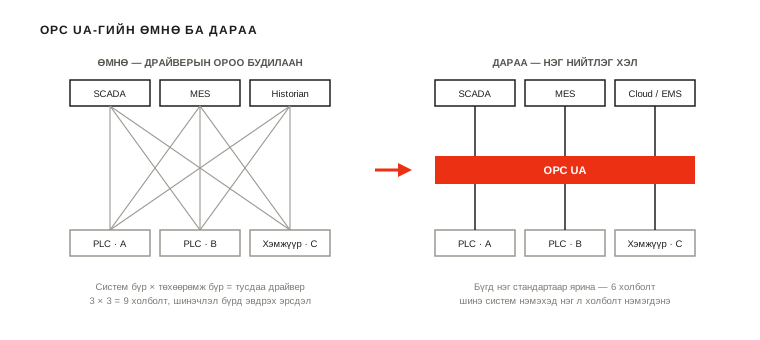
Classic OPC үүнийг хэсэгчлэн шийдсэн ч Windows-оос хамааралтай байдал нь орчин үеийн шаардлагад нийцэхээ больсон: Linux дээрх сервер, үүлэн платформ, embedded төхөөрөмж, кибер аюулгүй байдлын шаардлага — эдгээр бүгд платформоос хамааралгүй, аюулгүй, семантик мэдээлэлтэй шинэ стандартыг шаардсан. Ингэж OPC UA төрсөн.
Гол онцлогууд
Платформоос хамааралгүй
Windows, Linux, embedded контроллёр, үүлэн сервер — хаана ч ажиллана. Жижиг мэдрэгчээс дата төвийн сервер хүртэл нэг стандарт.
Мэдээллийн загварчлал (Information Modeling)
OPC UA зөвхөн «утга = 42» гэж дамжуулахгүй — «энэ бол Насос-101-ийн гаралтын даралт, нэгж нь бар, хэвийн муж нь 2–6» гэсэн бүтэц, утгыг хамт дамжуулна. Хүлээн авагч систем өгөгдлийг тайлбаргүйгээр ойлгоно. Салбар бүрийн нэгдсэн загварууд (companion specification) — PLCopen, роботик, уул уурхайн MDIS гэх мэт — бэлэн байдаг.
Аюулгүй байдал дотроо суурилагдсан
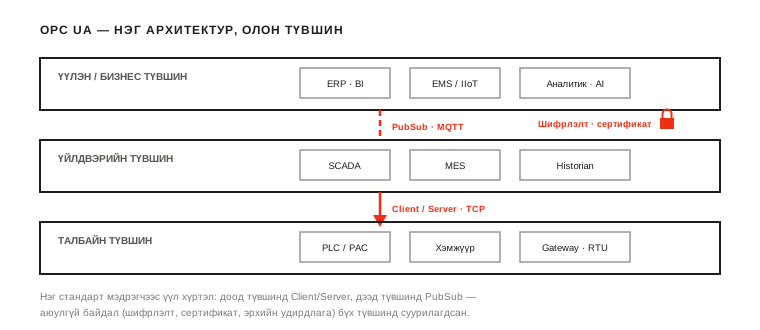
Шифрлэлт, сертификатаар таних, хэрэглэгчийн эрхийн удирдлага нь стандартын салшгүй хэсэг — нэмэлт хэрэгсэл шаардахгүй. Энэ нь IEC 62443 кибер аюулгүй байдлын шаардлагад нийцэхэд шууд тусалдаг.
Хоёр харилцааны загвар
- Client/Server — SCADA, MES систем серверээс өгөгдөл унших, бичих, захиалах (subscribe) сонгодог загвар
- PubSub — олон хүлээн авагчид нэгэн зэрэг цацах загвар; MQTT-ээр дамжин үүлэн платформ, IIoT руу шууд гарна
Функцын боломжууд
- Data Access — бодит хугацааны утга унших/бичих; өөрчлөгдсөн үед нь автоматаар мэдэгдэх захиалга (subscription) — сүлжээний ачааллыг эрс бууруулна
- Alarms & Conditions — дохиолол, нөхцөлийг стандарт хэлбэрээр дамжуулах, баталгаажуулах (acknowledge)
- Historical Access — түүхэн өгөгдөл, трендийг нэг интерфейсээр татах
- Methods — сервер дээрх үйлдлийг (жишээ нь: тоолуур тэглэх, горим солих) аюулгүйгээр алсаас дуудах
- Discovery & Browse — сүлжээн дэх серверүүдийг олж, ямар өгөгдөлтэйг нь автоматаар судлах — tag-ийн жагсаалт гараар оруулах шаардлагагүй
- Redundancy — сервер, клиентийн нөөцлөлтийг стандартын түвшинд дэмжинэ
Хэзээ OPC UA сонгох вэ?
Modbus зэрэг энгийн протоколууд жижиг, нэг төрлийн холболтод одоо ч тохиромжтой. Харин дараах нөхцөлд OPC UA давуу:
- Олон үйлдвэрлэгчийн төхөөрөмж, системийг нэгтгэх үед
- Үйлдвэрийн (OT) өгөгдлийг бизнесийн (IT) систем, үүлэн платформ руу гаргах үед
- Кибер аюулгүй байдлын шаардлага өндөр объектод
- Урт хугацаанд өргөжих, үйлдвэрлэгчээс хараат бус байх архитектур зорьж буй үед
Бидний туршлага
Enlight Control Systems интеграцийн төслүүддээ OPC UA-г AVEVA Plant SCADA, Modicon PLC, EMS платформтойгоо хослуулан ашигладаг — ялангуяа олон үйлдвэрлэгчийн төхөөрөмжийг нэг диспетчерийн системд нэгтгэх, SCADA-гийн өгөгдлийг дээд түвшний системд гаргах шийдлүүдэд. Протокол сонголтын зөвлөгөөг Систем интеграц хуудаснаас үзээрэй.
Системүүдээ нэгтгэх, OPC UA нэвтрүүлэх талаар үнэгүй зөвлөгөө: 7775-4478 эсвэл энэ сайтын AI туслахтай ярилцаарай.
Танай төсөлд тохирох шийдлийг ярилцъя
Инженер маань үнэгүй урьдчилсан үнэлгээ, төсөв гаргаж өгнө.